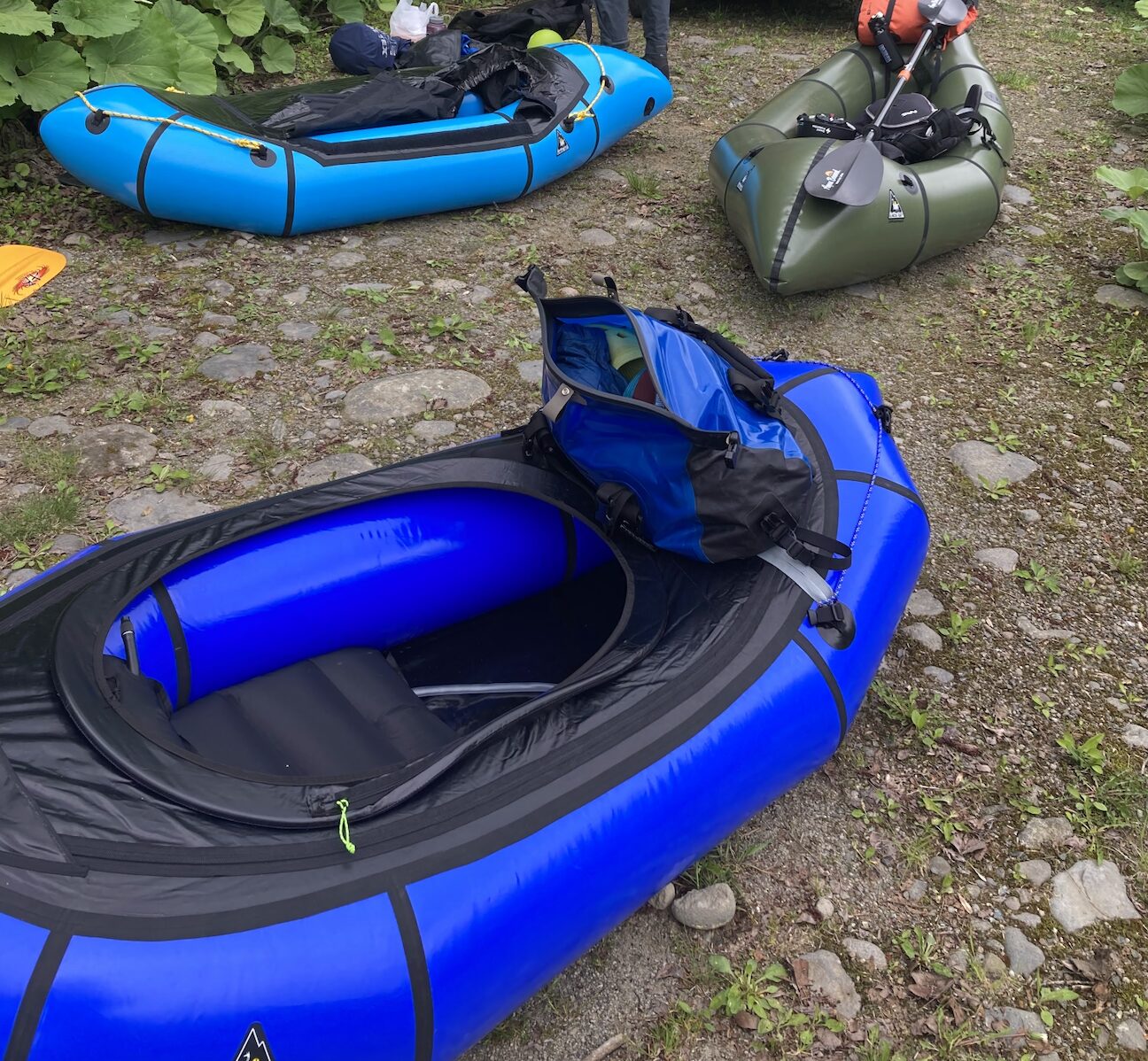
I headed out to the Shisorapchi River in Minami-Furano for a packrafting trip. The short version: it was one of the most concentrated, fully realized river trips I’ve had — one that drew on everything a packraft makes possible.
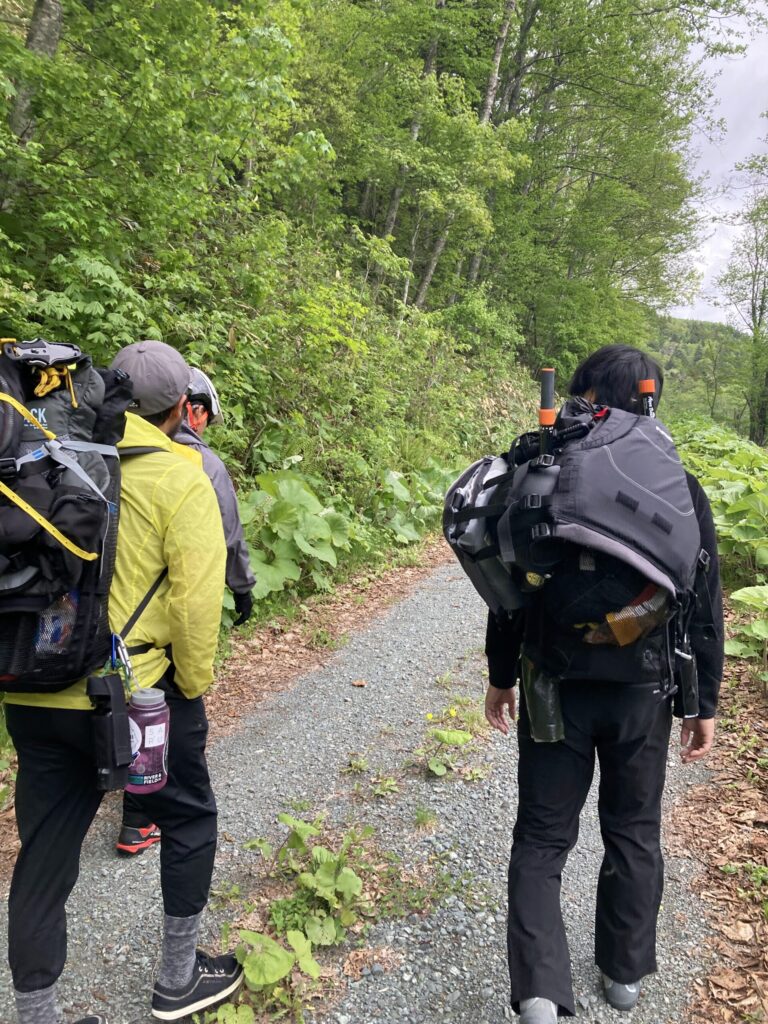
Mountains and river. Walking and paddling. The approach and the descent — woven into a single continuous line.
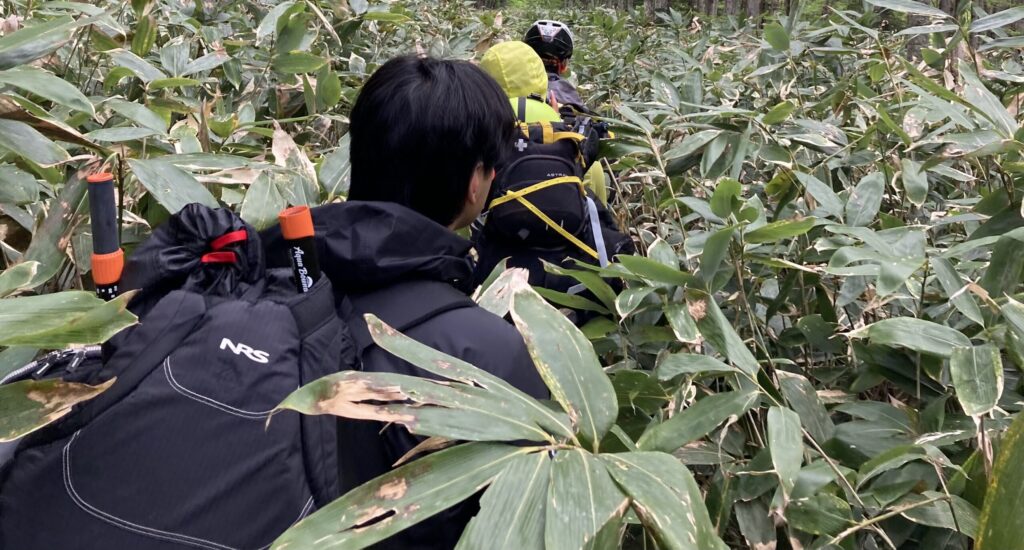
That seamless connection is, in my view, the deepest strength of the packraft. This trip was that idea at its fullest.
It may not need a label, but thinking about it within the broader context of the outdoor activities I’ve experienced over the years — this style feels right to call “BC (backcountry) packrafting.”
This river was one I hadn’t paddled in over a decade. And paddling it by packraft was something I’d never done before.
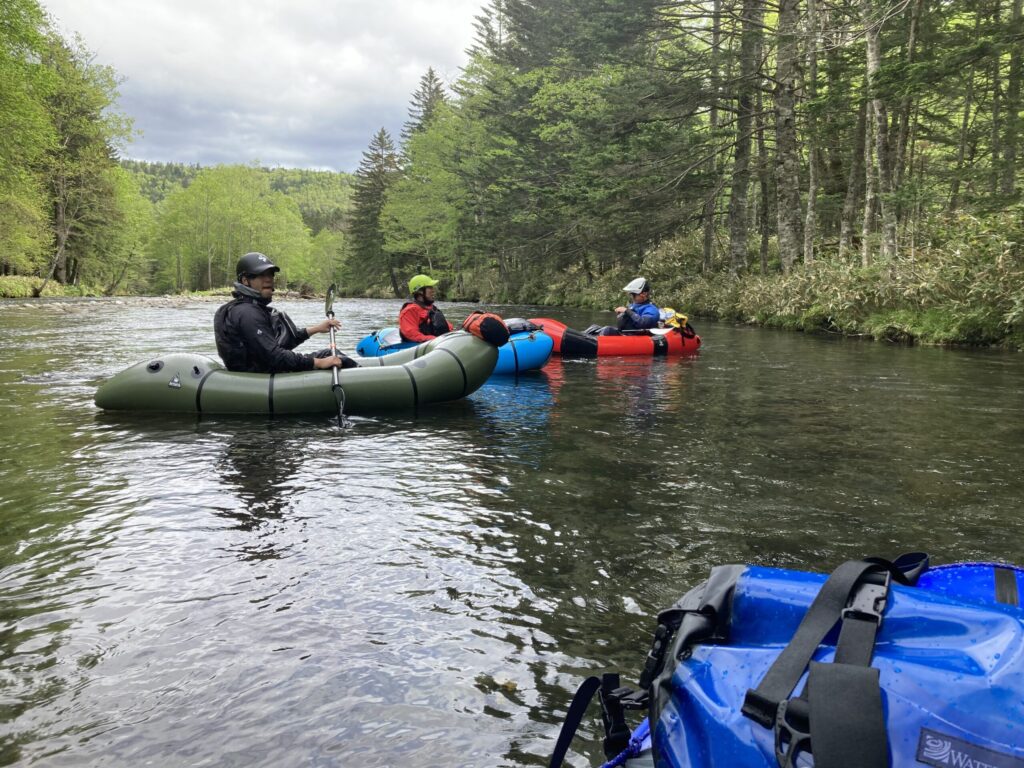
The river I remembered and the river I faced from a packraft showed me entirely different faces. It wasn’t just the crux sections — the approach, the terrain surrounding the river, the depth of the forest, the way the landscape connected — the whole area held something worth experiencing. It deepened my sense of what it actually means to be in Hokkaido as a field.
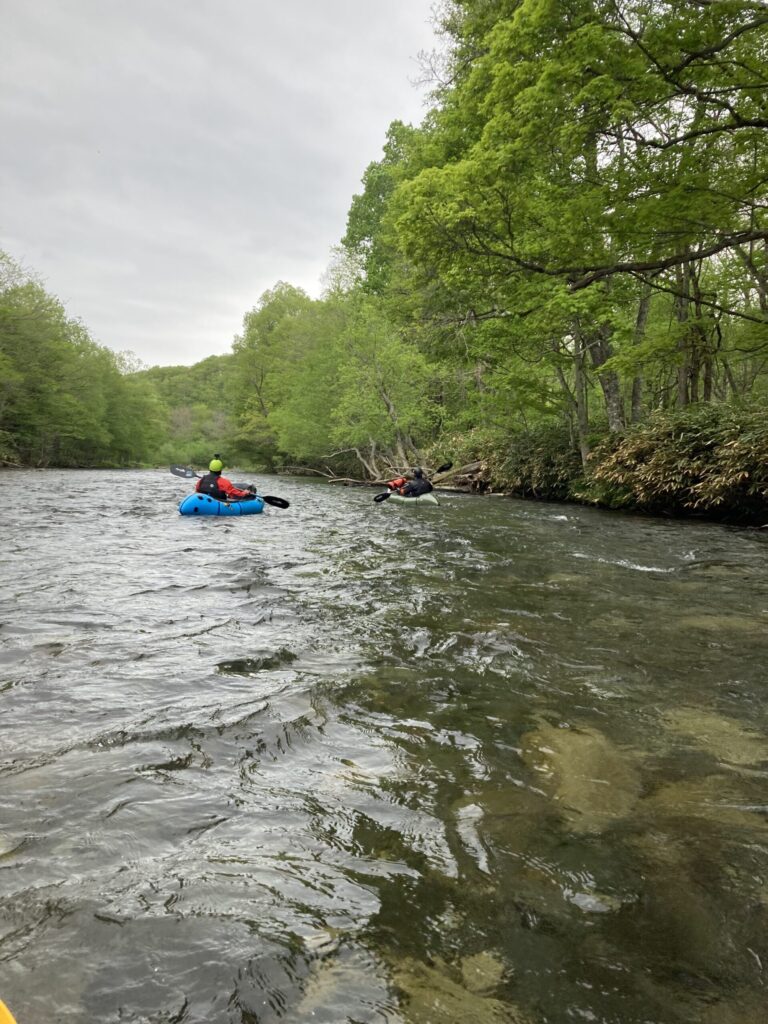
My paddling is still a work in progress. And I think that’s exactly why I can stay humble in front of a river. Reading the current. Not forcing anything. Finding the angle. Using the eddies. Moving with the feeling that I’ve been let in — that the river is allowing me to be there.
Massive driftwood logs thrown onto the banks and into the main current by past floods. Barely a trace of human intervention. This is wild Hokkaido river country in its truest form.
The forest surrounding the river is extraordinarily intact. No structures anywhere in sight. Just current, trees, and sky. Simply being in that environment sharpens something — the senses come alive in a way that’s hard to find elsewhere.
And something became clear to me again on this trip:
The packraft isn’t most useful only while you’re on the water.
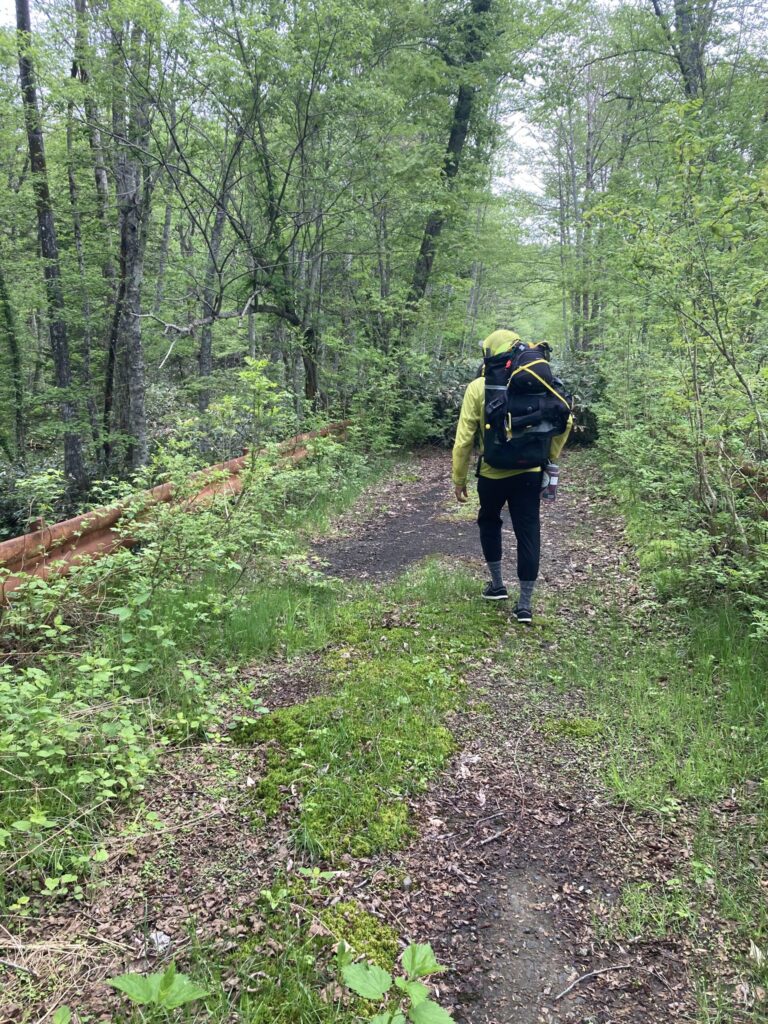
Carrying the boat on your back, descending into a tributary, pushing into headwater terrain. The route, the scenery, the continuity — none of it is possible unless hiking and paddling are unified. That’s why “BC packrafting” feels like the right name for this.
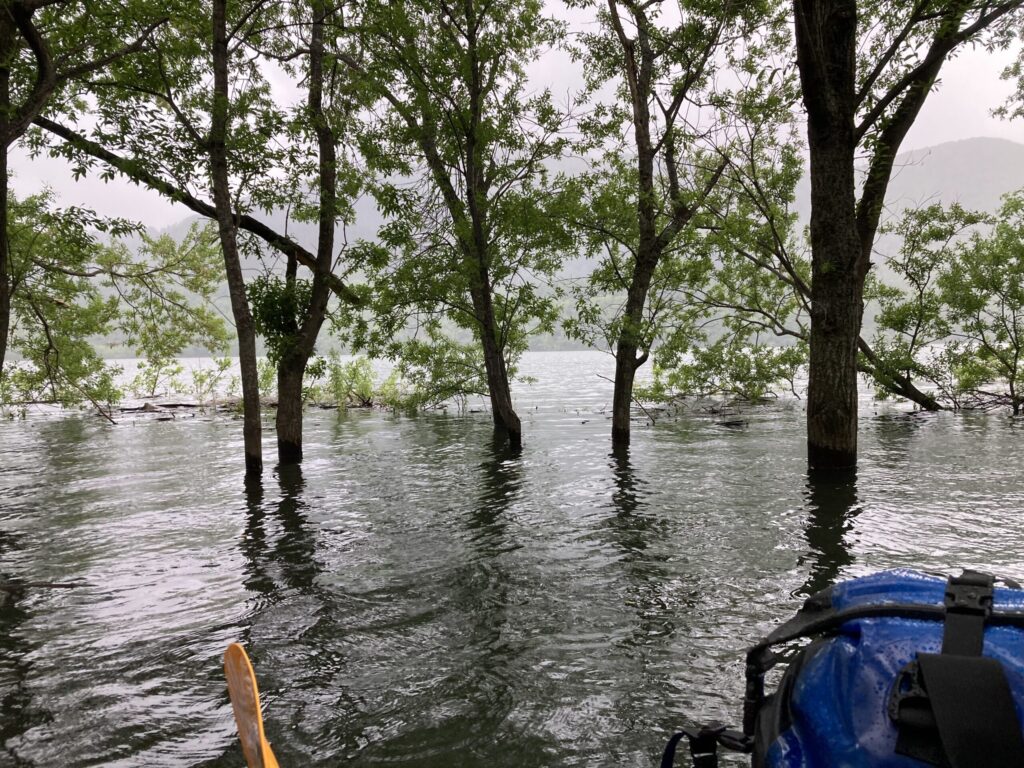
Near the end of the trip, the river opens into a lake. Moving water into stillwater. The feel through the paddle changes completely. The tension in the air shifts.
In that moment, the body understands before the mind does: the journey is ending.
Going deep into the forest. Surrendering to the river. Emerging back onto open water.
The Shisorapchi River, taken as a whole, quietly but firmly showed me what the packraft is really for — and how deep the field of Hokkaido truly runs.
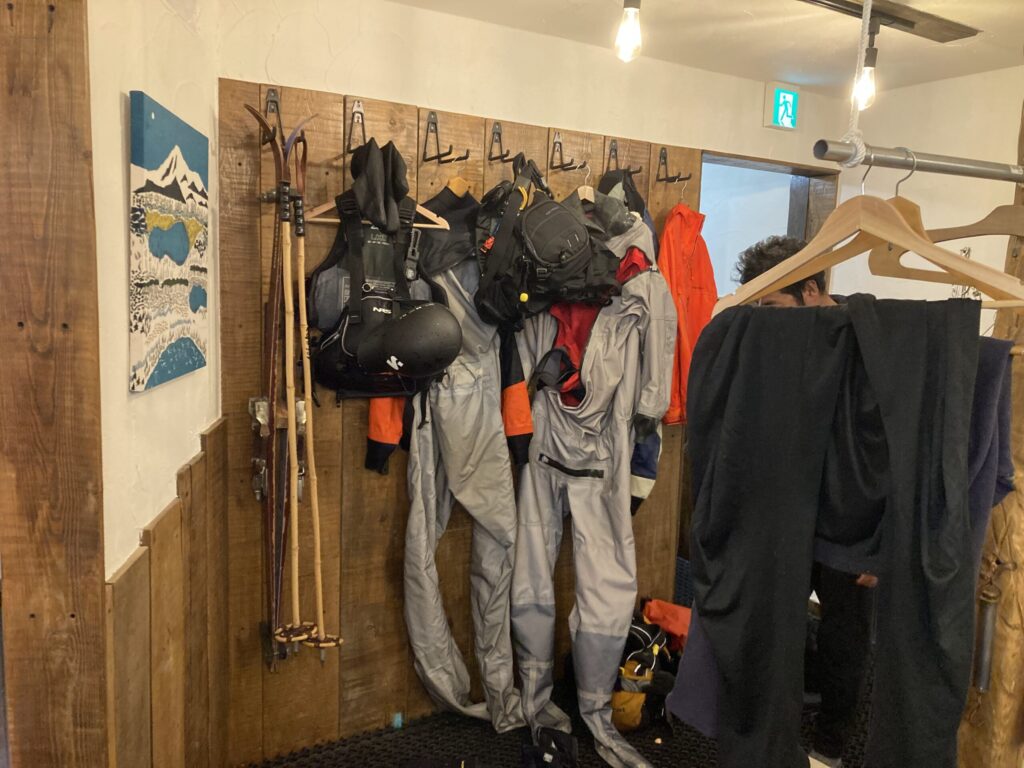
For accommodation, we stayed at Sorapchi Cabin, a guesthouse right on the banks of the Shisorapchi River. It works beautifully as a base for river trips, winter snow trips, or simply as a place to decompress far from the noise of everyday life.


コメント