
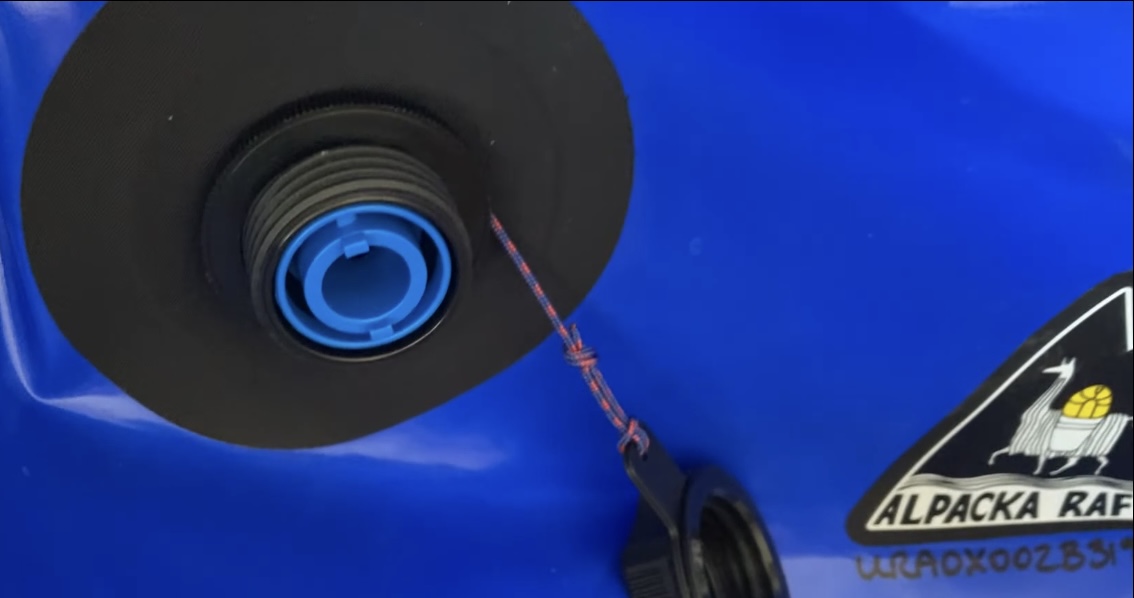
All Alpacka Raft packrafts produced since 2017 are equipped with the Temper Assist Valve. It’s an excellent piece of engineering — the wide opening makes inflation bag attachment smooth and efficient, and the built-in check valve prevents air from escaping unnecessarily during inflation. That said, if you don’t understand how the valve actually works, it can seem like air is leaking when everything is actually functioning exactly as designed.
About the Temper Assist Valve
The Alpacka Raft Temper Assist Valve is a system designed to minimize air loss during inflation and make it easy to build pressure inside the packraft. Unlike the fully one-way valves found on many other inflatable watercraft, the Temper Assist Valve uses a spring-assisted flap mechanism. The flap opens and closes each time air passes through, and closes automatically once sufficient internal pressure builds up — reducing inflation effort significantly.
How to Inflate Your Packraft — Step by Step
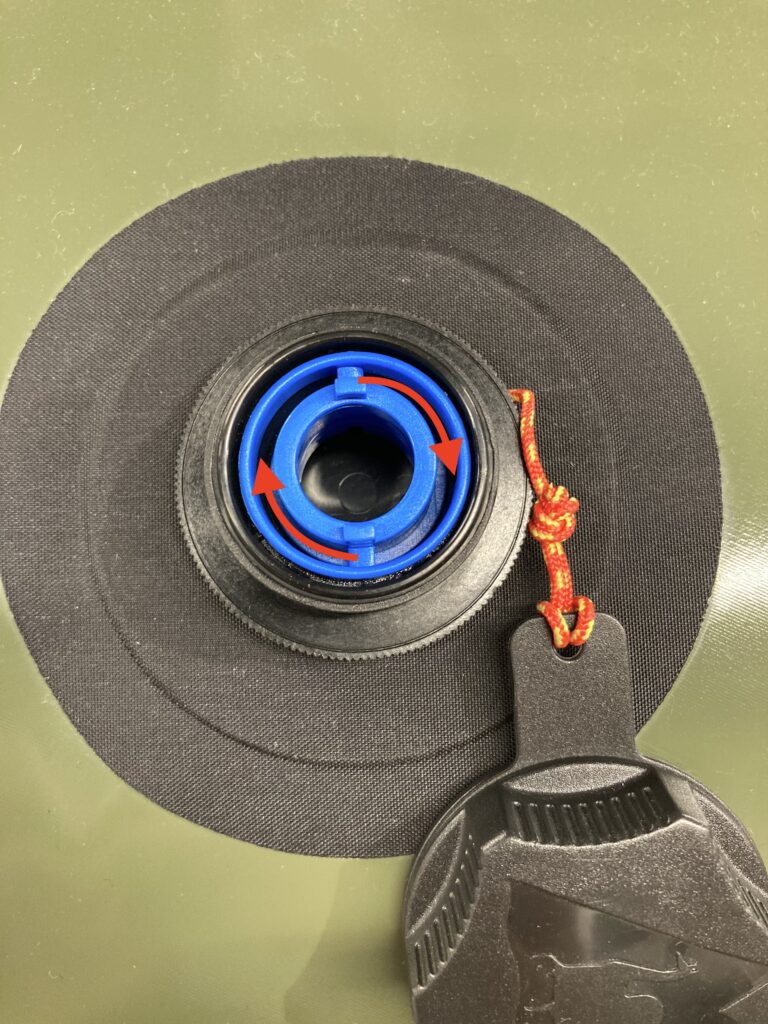
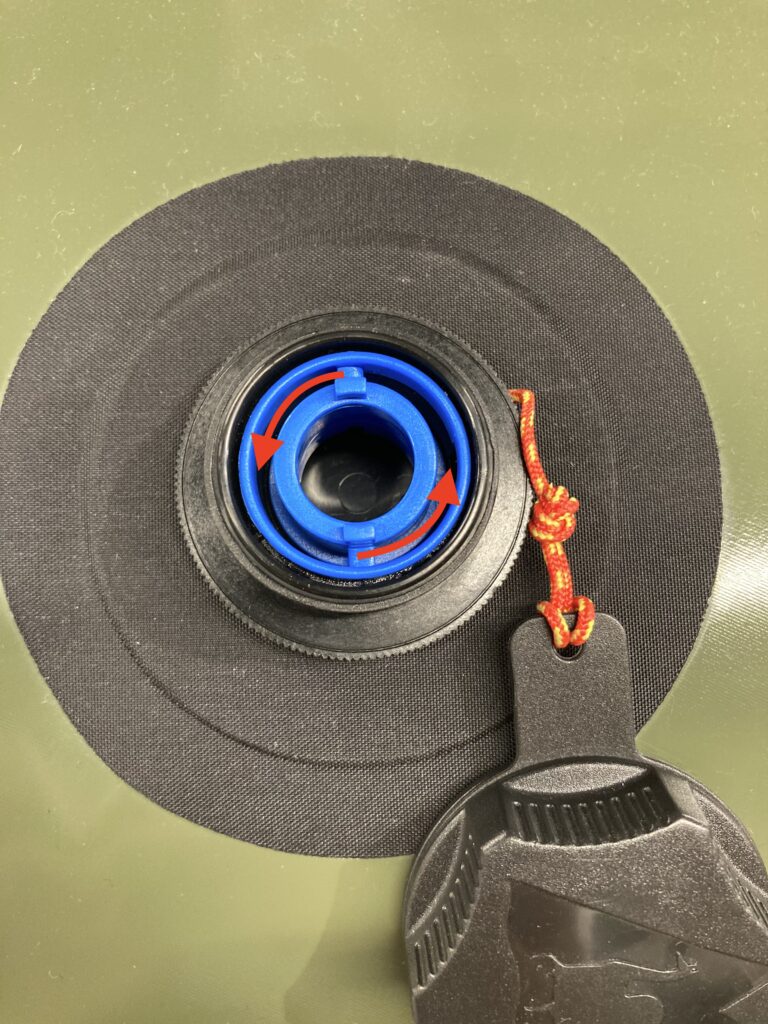
1. Set the valve to the closed (inflate) position. Turn the blue dial counter-clockwise to the closed position, then attach your inflation bag to the valve.
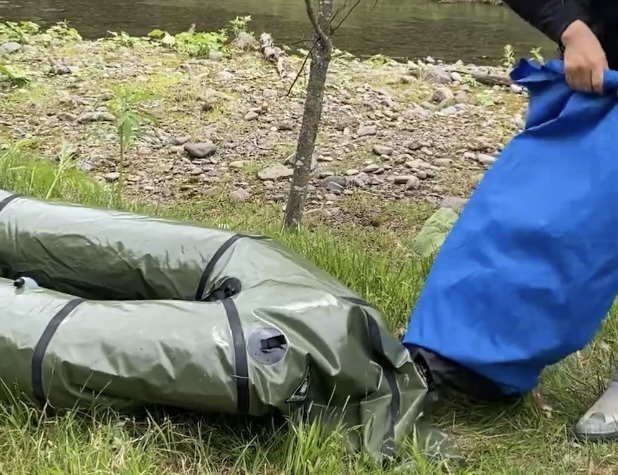
2. Inflate using the inflation bag. As the bag nears capacity, the internal flap closes to prevent air loss. Note that the check valve flap won’t fully close until enough internal pressure has built up to push it shut. Fill the bag as completely as possible before each squeeze, then detach it. At this stage, you may still hear a slight hiss of air — this is normal.
3. Top up pressure directly by mouth. Blow air directly into the valve until the packraft tubes feel firm and taut. The valve only becomes airtight once the valve cap is screwed on. Before launching, cool the packraft in the water and top up pressure again until it stabilizes — depending on water temperature and boat size, this may take a few rounds.
4. To deflate. Turn the blue dial clockwise to the open position to release air.
5. Storage. Store the packraft with the blue dial turned counter-clockwise to the closed position. This releases pressure on the flap and reduces wear over time.
Maintenance, Tips & Troubleshooting
- Keep the valve clean and free of sand or debris. Carrying a small toothbrush is a practical tip.
- Check that the gasket is seated in the valve cap. Spare gaskets are included in the basic repair kit.
- In cold temperatures, the plastic flap mechanism can be affected — be aware that inflation may require more effort in winter conditions.
- The valve alone does not create an airtight seal. The airtight seal is only achieved once the valve cap with gasket is screwed on.
- On older boats, sand buildup or improper storage can degrade valve performance over time.
- When using an inflation bag, some air loss is normal and expected.
- Always confirm the blue dial is in the counter-clockwise (closed) position before inflating. Remember: the flap won’t fully close until sufficient internal pressure has built up.
- Efficient use of the inflation bag takes practice. If you’re too slow refilling the bag between pumps, previously inflated air can escape before pressure builds.
Troubleshooting: Air Keeps Escaping Even When I’m Pumping — What’s Happening?
If the valve doesn’t seem to be holding air when you inflate with the bag, work through these steps:
1. Confirm the blue dial is turned counter-clockwise to the closed position.
2. There may simply not be enough internal pressure yet to close the flap — this is the most common cause of confusion.
3. Fill the inflation bag as fully as possible and squeeze out as much air as you can in each pump.
4. Place your palm on the stern (rear) of the packraft and press firmly — the boat should push back. This confirms you have enough air inside to trigger the flap.
5. Place your palm over the valve opening to block air from escaping.
6. Remove your hand and continue adding air with the Pack-A-Pump or directly by mouth — without breaking the seal — until the flap closes. Keeping contact without interruption is key, but don’t push yourself to the point of hyperventilation.
7. The flap may appear closed but you might still hear a faint hiss. This is normal at this stage. Add just a little more air, then immediately seal the valve by screwing on the valve cap.
8. Lost the gasket and don’t have a spare? Place a piece of Ziploc bag or other thin plastic sheet over the valve opening before screwing the cap on. You may need two layers to achieve a proper airtight seal.
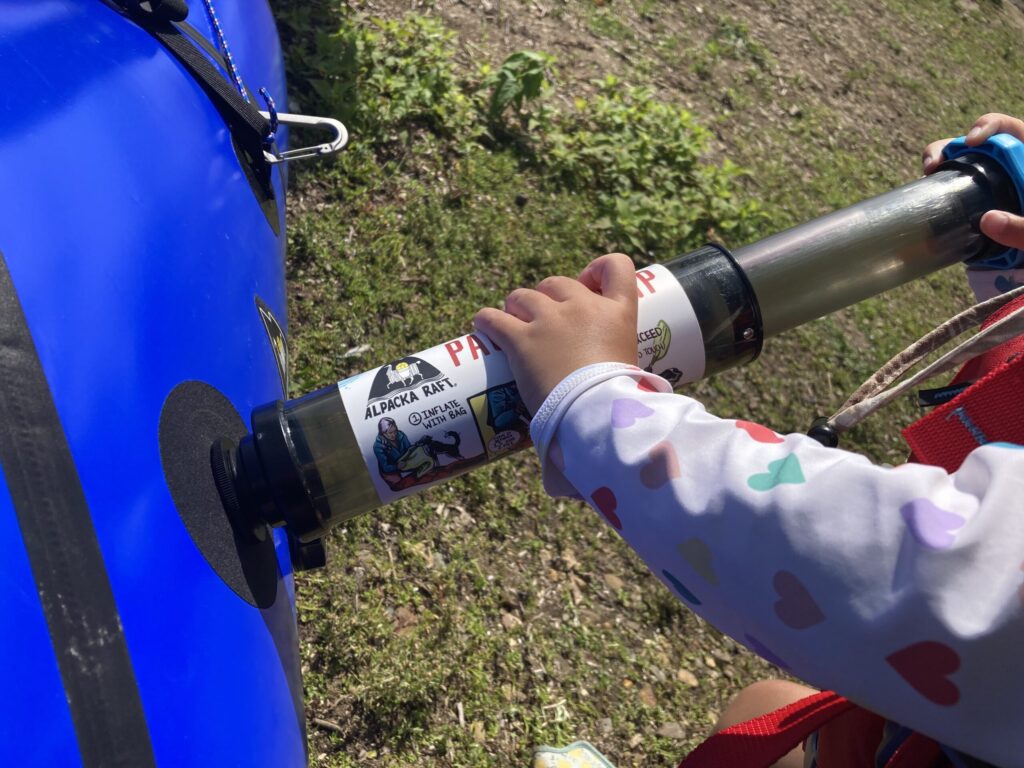
With a solid understanding of how the Temper Assist Valve works, inflation becomes quick, efficient, and stress-free. Enjoy your time on the water with your Alpacka Raft!
コメント